
Waste and Wildlife

The forests of Rajaji Tiger Reserve, the Dehradun and Mussoorie forest divisions, are home to elephants, tigers, leopards, deer, and countless other species. But alongside wildlife movement, another disturbing presence is growing rapidly plastic waste.
Discarded bottles, polythene bags, food wrappers, and household waste are slowly invading forest corridors, riverbanks, and elephant trails. What appears to be harmless litter to humans becomes a silent killer for wildlife.
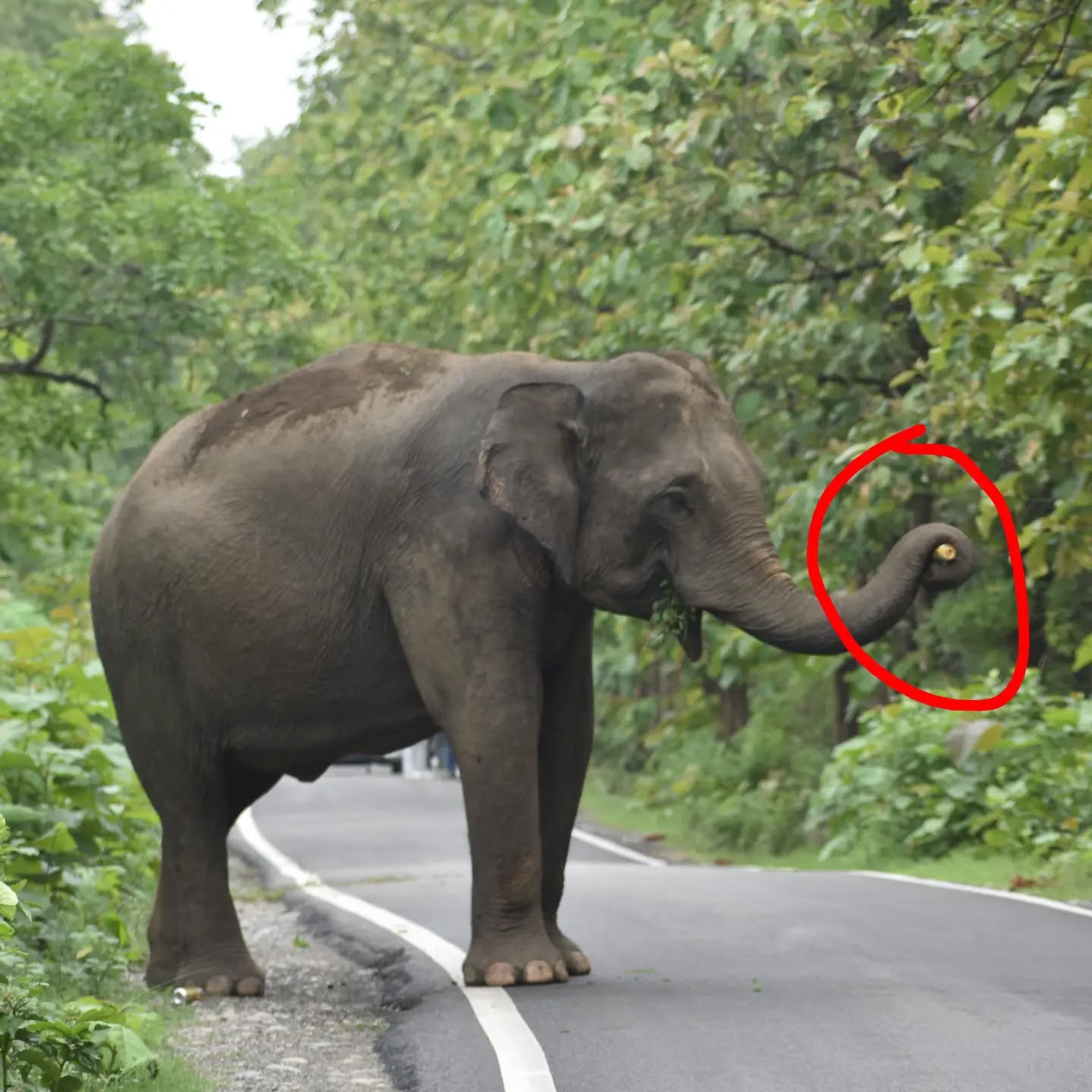
During regular forest clean-up drives, Team Nature’s Buddy, with the strong support of the Forest Department, volunteers, and local communities, made a shocking discovery—plastic pieces found in elephant dung. This confirms what conservationists have feared for years: wild animals are ingesting plastic while feeding near human settlements, garbage dumps, and roadside forest edges.
Plastic inside an animal’s body causes severe health issues—blockage of the digestive system, malnutrition, internal injuries, and in many cases, death. Elephants, with their large foraging range, are especially vulnerable.
Plastic waste also plays a direct role in increasing human-wildlife conflict. Attracted by food waste, animals move closer to villages, agricultural fields, and roads, leading to crop damage, property loss, and dangerous encounters for both people and wildlife.
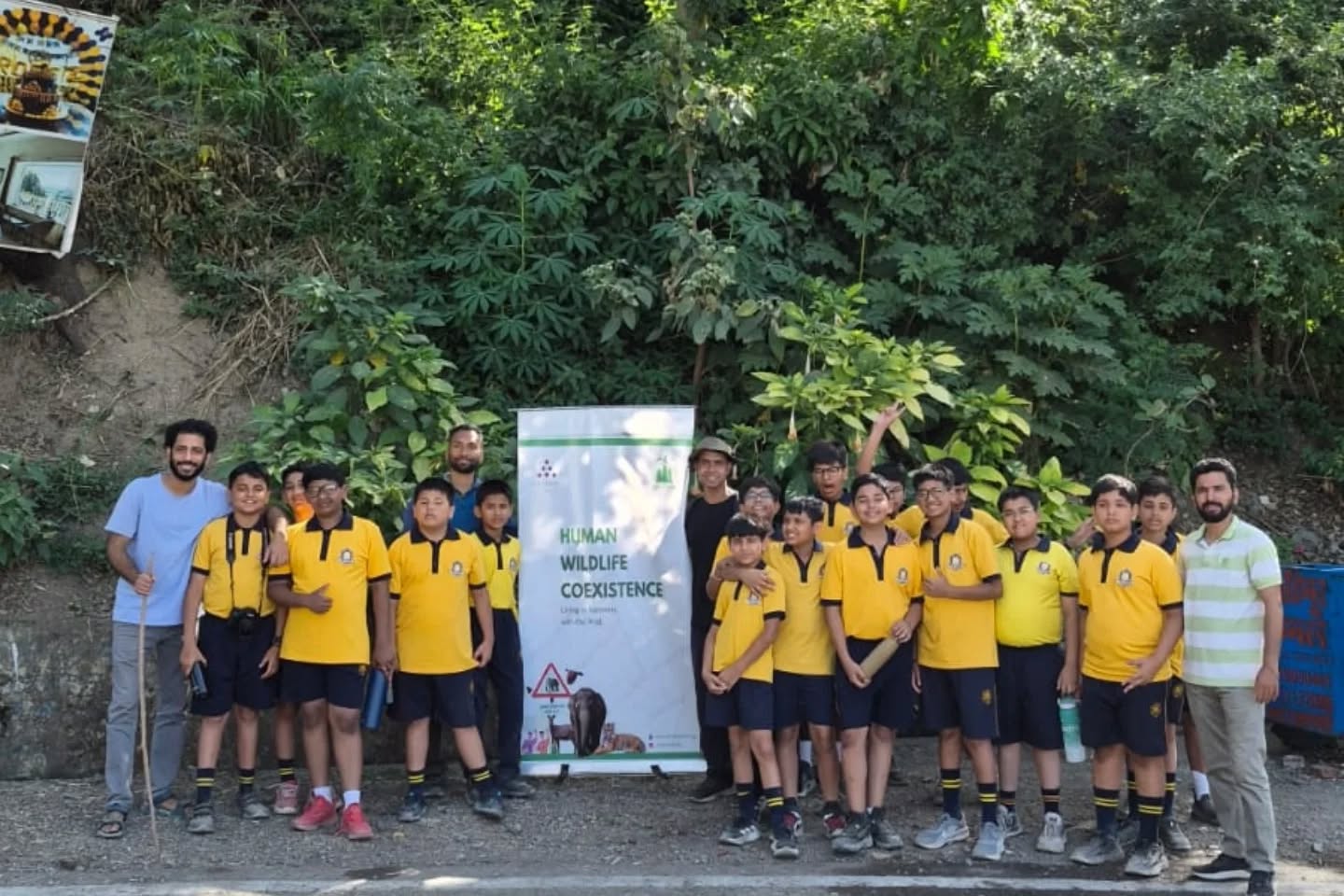
To address this crisis, Nature’s Buddy, along with forest staff, volunteers, and locals, has been actively clearing plastic waste from forest areas, sensitizing communities, and spreading awareness about responsible waste disposal. These efforts aim not only to clean forests but to prevent conflict before it begins.
Protecting wildlife does not always require big infrastructure—it begins with clean forests and responsible human behaviour. A plastic-free forest is safer for animals and safer for people.
The forests of Rajaji are speaking. It’s time we l
isten—and act.

Comments