

Debarking of Sal Trees by Elephants: Nature’s Quiet Way of Shaping the Forest

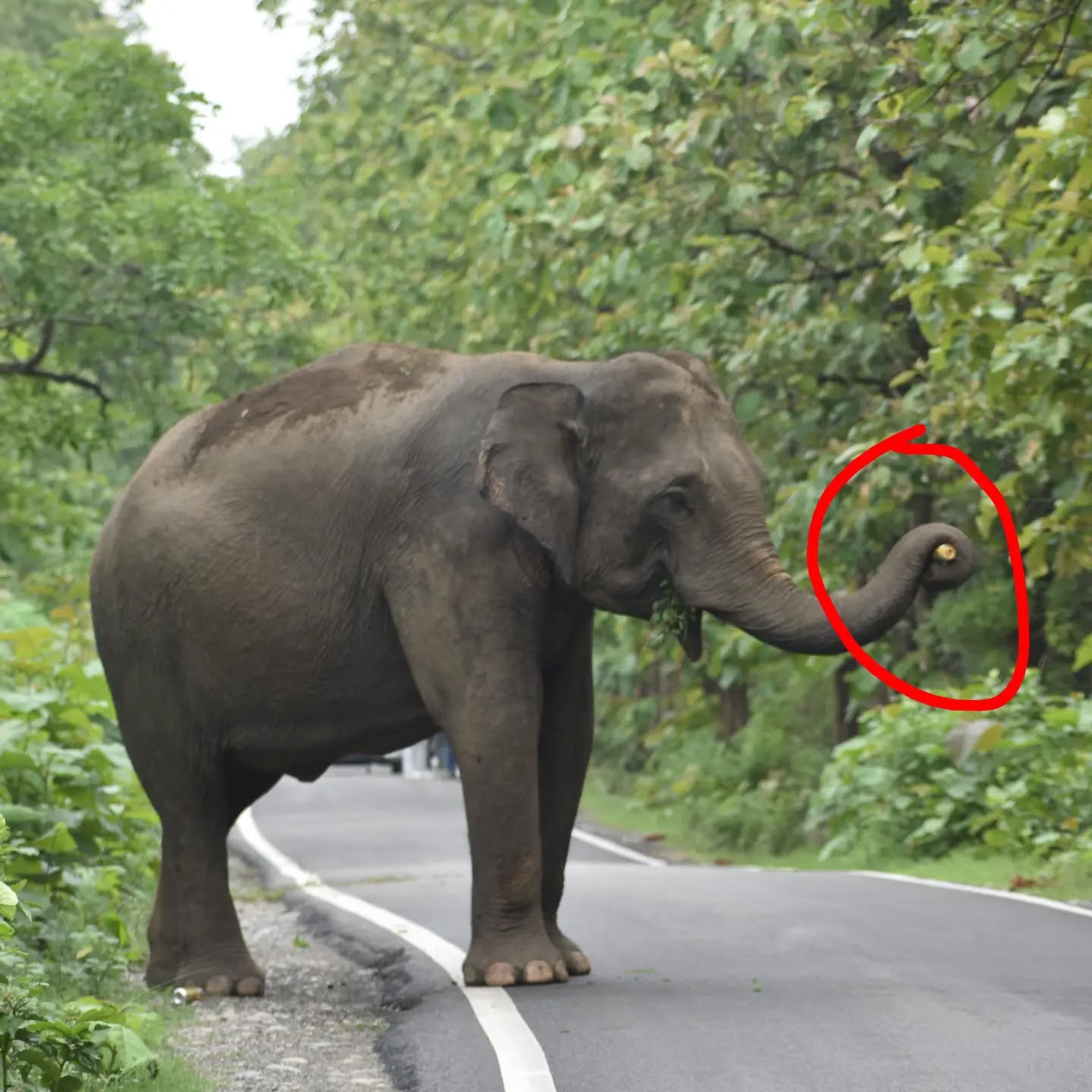
Elephants, often called the Architect of the forest, play a vital role in shaping and maintaining healthy ecosystems. One fascinating natural behaviour they display is the debarking of Sal (Shorea robusta) trees. While it may look destructive to an untrained eye, this process has several ecological benefits and reflects the deep connection between elephants and Sal forests.
Elephants peel bark to access the nutrient-rich cambium, which helps them maintain energy and mineral balance especially during summer months. This natural foraging pattern has existed for thousands of years and is part of forest evolution. Sal trees, known for their resilience, often regenerate quickly, developing stronger, thicker bark in response. This regrowth strengthens the tree and helps maintain biodiversity in the area.
In many forests, selective debarking helps create sunlit patches. These patches allow new plants, grasses, and shrubs to grow, providing fresh food for deer, birds, insects, and even elephants themselves. The opening created by partially debarked trees increases sunlight on the forest floor, encouraging natural regeneration and creating microhabitats that support a wider variety of species.
Debarked trees also attract insects, which in turn support woodpeckers and other birds, enriching the forest food chain. In this way, elephants indirectly help create feeding opportunities for several other species.
From a behavioural perspective, debarking also indicates that elephant herds are using their natural routes and corridors. This shows a healthy connection between wildlife and forest landscapes, especially in regions like Rajaji Tiger Reserve and the Shivalik foothills.
Rather than viewing debarking negatively, it can be seen as nature’s own pruning system. Elephants are not damaging the forest,they are participating in its renewal. Their ancient relationship with Sal forests reminds us that when wildlife thrives naturally, the entire ecosystem becomes stronger, healthier, and more resilient.


Comments